Compare salaries, taxes, work conditions, and quality of life between Greece and Czech Republic
Thinking about relocating to Greece or Czech Republic? This comprehensive Greece vs Czech Republic comparison covers everything expats and international workers need to know: average salaries, tax rates, work-life balance, annual leave policies, maternity and paternity leave, and cost of living considerations. Whether you're a software developer, engineer, or professional comparing international options, this guide will help you make an informed decision.
Average Salary Difference
-96.5%
Czech Republic pays more
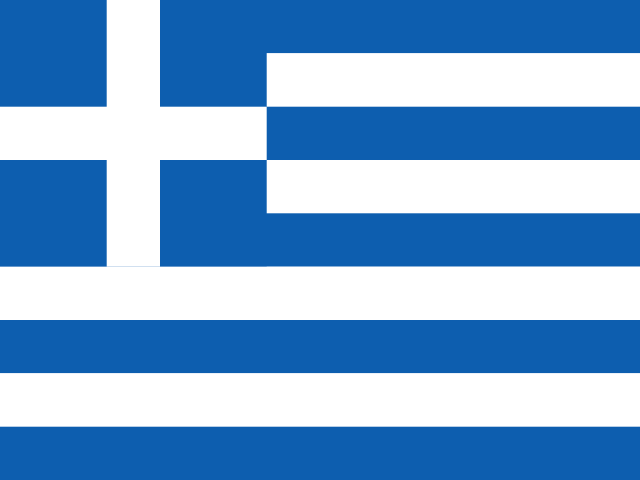 Greece
€22,000
avg. salary
 Czech Republic
CZK 627,396
avg. salary
Greece vs Czech Republic Salary Comparison
Average salary, median salary, minimum wage and top earners
Average Salary
€22,000CZK 627,396Median Salary
€18,000CZK 546,276Minimum Wage
€12,880CZK 268,800Top 10%
€40,000CZK 1,020,000Work-Life Balance: Greece vs Czech Republic
Annual leave, working hours, maternity & paternity leave comparison
Visual Comparison
Work Week
40 hours
40 hours
Annual Leave
20 working days minimum (25 after 10 years)
20 working days minimum (25 common in larger employers)
Public Holidays
14 days
13 days
Sick Leave
Up to 6 months at 50% via social security (EFKA)
Employer-paid wage compensation for the first 14 calendar days, then sickness insurance benefits
Maternity Leave
17 weeks at full pay
28 weeks paid maternity leave (37 weeks for multiple births)
Paternity Leave
14 days paid
14 calendar days paid paternity leave
Greece vs Czech Republic for Expats: Pros & Cons
Advantages and challenges for international workers in each country
Greece
Why Work in Greece
Low Cost of Living
One of the most affordable countries in the eurozone, especially outside Athens
Mediterranean Lifestyle
Excellent climate, food, culture, and a relaxed quality of life year-round
Tax Incentives
Special regimes for foreign workers: 50% tax exemption for new residents, digital nomad programs
Growing Tech Scene
Athens is becoming a notable startup hub with increasing venture capital investment
EU Membership
Full eurozone member with freedom of movement for EU citizens
Challenges of Living in Greece
Lower Salaries
Wages are below the EU average, though cost of living partially compensates
High Social Security
Combined employee + employer contributions exceed 36% of gross salary
Bureaucracy
Administrative processes can be slow and complex, especially for non-Greek speakers
Limited Industries
Job market is concentrated in tourism, shipping, and services; fewer opportunities in manufacturing
Czech Republic
Why Work in Czech Republic
Strong Job Market in Prague and Brno
International companies hire for software, shared services, finance, and engineering roles.
Moderate Cost Base
Living costs are lower than many Western European capitals, especially outside Prague.
Central European Location
Good rail, road, and air links make travel around the EU practical.
High Public Safety
The Czech Republic is generally safe, with strong public transport in major cities.
Solid Healthcare Access
Employees are covered by public health insurance through payroll contributions.
Challenges of Living in Czech Republic
Lower Salaries Than Western Europe
Gross pay for many roles trails Germany, Austria, the Netherlands, and Switzerland.
Prague Housing Pressure
Rents in central Prague can absorb a large share of net salary.
Czech Language Barrier
Many local-market, healthcare, and administrative jobs require Czech fluency.
Payroll Complexity
Tax credits, child credits, and social-security caps can make net pay less intuitive.
Limited Senior Executive Market
Very senior roles are concentrated in Prague and a handful of multinational employers.
Tax Rates Greece vs Czech Republic
Income tax, social security, and tax benefits comparison
Greece
- Progressive income tax with 6 brackets from 9% to 44% (Law 5246/2025)
- Social Security (EFKA): 13.87% employee + 22.04% employer
- 14 monthly payments (12 regular + Christmas, Easter & vacation bonuses)
- Tax credit of €777 (phased out above €12,000 income)
- Solidarity surcharge abolished since 2023
- Minimum wage: €920/month from April 1, 2026 (raised from €880)
Czech Republic
- Personal income tax is 15% up to CZK 1,762,812 and 23% above that threshold in 2026
- Employee social security is 7.1% and is capped at CZK 2,350,416 for 2026
- Employee public health insurance is 4.5% with no annual cap
- Basic taxpayer credit is CZK 30,840 per year, usually applied monthly through payroll
- Employer contributions are 24.8% social security plus 9% health insurance
- Minimum wage for 2026 is CZK 22,400 per month or CZK 134.40 per hour
Best Cities to Work in Greece and Czech Republic
Top destinations for tech jobs, expats and international professionals
Greece
Czech Republic
How to Find Jobs in Greece vs Czech Republic
Job portals, recruitment agencies, and networking platforms
Greece
Czech Republic
Work Visa Options: Greece vs Czech Republic
Visa types, requirements, and duration for non-EU workers
Greece Work Visas
Digital Nomad Visa
For remote workers employed by foreign companies or freelancing for foreign clients
EU Blue Card
For highly qualified workers from outside the EU
National Work Visa (Type D)
Standard work visa for non-EU nationals with a job offer
Czech Republic Work Visas
Employee Card
Main long-term residence permit for non-EU nationals employed in Czechia.
EU Blue Card
Residence and work permit for highly qualified non-EU professionals.
Intra-Company Transfer Card
For managers, specialists, or trainees transferred within a multinational company.
Seasonal Employment Visa
For short-term seasonal work in approved sectors.
Frequently Asked Questions: Greece vs Czech Republic
Common questions about working in these countries
What is the average salary in Greece vs Czech Republic?
The average salary in Greece is €22,000 per year, while in Czech Republic it is CZK 627,396 per year. This represents a 96.5% difference.
Which country has better work-life balance: Greece or Czech Republic?
Greece offers 20 working days minimum (25 after 10 years) annual leave and 14 public holidays with a 40 hours work week. Czech Republic offers 20 working days minimum (25 common in larger employers) annual leave and 13 public holidays with a 40 hours work week.
How does parental leave compare between Greece and Czech Republic?
In Greece, maternity leave is 17 weeks at full pay and paternity leave is 14 days paid. In Czech Republic, maternity leave is 28 weeks paid maternity leave (37 weeks for multiple births) and paternity leave is 14 calendar days paid paternity leave.
Is it better to work in Greece or Czech Republic as an expat?
Both are excellent choices for expats. Greece offers: Low Cost of Living, Mediterranean Lifestyle. Czech Republic offers: Strong Job Market in Prague and Brno, Moderate Cost Base. Consider your priorities like salary, language requirements, and lifestyle preferences.
What are the main tax differences between Greece and Czech Republic?
Greece: Progressive income tax with 6 brackets from 9% to 44% (Law 5246/2025). Czech Republic: Personal income tax is 15% up to CZK 1,762,812 and 23% above that threshold in 2026. Both countries have different tax benefits and deductions that can significantly impact your take-home pay.
Salary statistics methodology
Salary benchmarks are compiled from official statistics, labour-market releases, and country employment datasets. This page was last reviewed for Greece 2026 data on April 27, 2026.
Primary references
Calculation notes
- Average and median salaries are gross annual estimates unless marked as net.
- Industry and experience bands are directional benchmarks, not guaranteed pay ranges.
- Figures can vary by region, company size, benefits, contract type, and bonus policy.
Salary statistics methodology
Salary benchmarks are compiled from official statistics, labour-market releases, and country employment datasets. This page was last reviewed for Czech Republic 2026 data on April 27, 2026.
Primary references
Calculation notes
- Average and median salaries are gross annual estimates unless marked as net.
- Industry and experience bands are directional benchmarks, not guaranteed pay ranges.
- Figures can vary by region, company size, benefits, contract type, and bonus policy.
Calculate Your Take-Home Pay in Greece or Czech Republic
Use our free salary calculators to see exactly how much you'll earn after taxes in each country.